2026.02.26
Cylindrical lithium batteries are widely used in consumer electronics, electric vehicles, power tools, and energy storage systems. Their energy storage capability is based on reversible electrochemical reactions involving lithium ions. Below is a detailed explanation of how cylindrical lithium batteries store and release energy.
The core energy storage principle of a cylindrical lithium battery is the movement of lithium ions between the positive electrode (cathode) and the negative electrode (anode).
Charging Process: Lithium ions move from the cathode to the anode through the electrolyte. At the same time, electrons flow through the external circuit to the anode.
Discharging Process: Lithium ions move back from the anode to the cathode, while electrons flow through the external circuit to power connected devices.
This reversible process is known as the “rocking chair” mechanism, where lithium ions shuttle back and forth between two electrodes.
The cathode is typically made from lithium metal oxides such as lithium iron phosphate (LiFePO4), lithium cobalt oxide (LiCoO2), lithium manganese oxide (LiMn2O4), or ternary materials (NMC). The cathode determines the battery’s voltage, capacity, and safety characteristics.
The anode is usually composed of graphite or other carbon-based materials. During charging, lithium ions are intercalated into the graphite layers. During discharge, they are released back to the cathode.
The electrolyte is a lithium salt solution that allows lithium ions to move between the cathode and anode. It plays a crucial role in conductivity and battery performance.
The separator is a porous membrane placed between the cathode and anode. It prevents short circuits while allowing lithium ions to pass through.
The cylindrical metal casing (usually nickel-plated steel) provides structural stability, pressure resistance, and enhanced safety compared to pouch batteries.
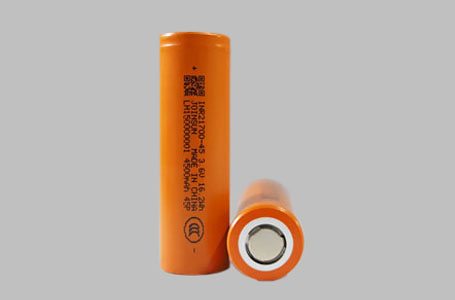
Energy is stored in cylindrical lithium batteries in the form of chemical energy. When the battery is charged, electrical energy is converted into chemical energy through lithium-ion intercalation. When discharged, the chemical energy is converted back into electrical energy.
The total stored energy depends on:
Electrode material capacity (mAh/g)
Voltage plateau (V)
Internal resistance
Cell design and size (e.g., 18650, 21700)
Material System: Different cathode materials provide different energy densities and safety levels.
Temperature: Extreme temperatures can reduce efficiency and lifespan.
Charge/Discharge Rate (C-rate): Higher rates may impact cycle life and stability.
Cycle Depth (DOD): Shallower discharge cycles extend battery lifespan.
Mature automated production process
High structural strength and pressure resistance
Excellent heat dissipation due to larger surface area
High consistency and standardization
The energy storage principle of cylindrical lithium batteries is based on the controlled movement of lithium ions between electrodes. Through reversible electrochemical reactions, these batteries efficiently convert electrical energy into chemical energy and back again. Thanks to their stable structure, standardized sizes, and reliable performance, cylindrical lithium batteries remain a leading solution for modern portable power and energy storage applications.Learn more
Other News
2026.06.10

2026.06.03
2026.05.26
Related Products

High Capacity for Ultra-Long Standby
Long Cycling life Ensures Longer Service Life
Efficient Charging
Excellent Low-Tempereture Adaptability

High Energy Density
Stability
Lightweight
Lower Discharge Rate