2026.10.22
When it comes to improving energy density in modern applications, 21700 cells are revolutionizing the way we approach power storage. In this article, I am going to walk you through actionable steps to leverage the benefits of 21700 cells for enhancing energy efficiency in your business. Whether you're in electric vehicles, consumer electronics, or renewable energy, adopting these cells can lead to remarkable improvements in performance and sustainability.
To implement 21700 cells effectively, begin by evaluating your current energy storage systems. Follow these three simple steps to ensure a smooth transition:
Conduct an Energy Audit: Assess your existing battery setup to identify inefficiencies and potential upgrades. For example, if you're using older 18650 cells, the 21700 cells can offer up to a 50% increase in energy capacity due to their larger size and advanced chemistry.
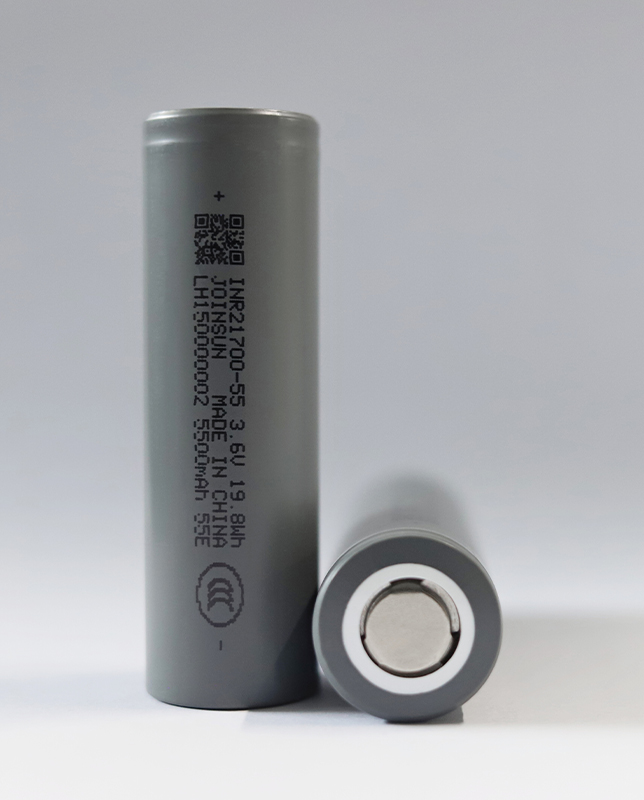
Select the Right 21700 Cells: Choose high-quality 21700 cells that align with your application. Look for specifications that meet industry standards, such as ASTM for battery safety and performance metrics. JOINSUN offers a variety of 21700 cells with a precision of up to 0.01mm, ensuring compatibility with your systems.
Implement Testing and Quality Control: Once you've integrated 21700 cells, don’t skip the crucial step of quality assurance. Perform 100% inspection and rigorous testing against DIN standards to ensure each cell performs optimally. This can prevent unexpected failures and enhance product reliability.
Real-world applications of 21700 cells illustrate their transformational impact. With their increased energy density, they empower electric vehicles to achieve longer ranges, which directly translates into reduced operational costs and higher customer satisfaction. Moreover, consumer electronics, from smartphones to laptops, can benefit from lighter devices that maintain robust performance without sacrificing battery life.
However, transitioning to 21700 cells isn't without challenges. One common issue is the need for redesigning existing battery management systems (BMS). I recommend collaborating with experienced engineers to optimize compatibility and maximize the benefits of 21700 cells. Additionally, ensure that your team is trained in the latest battery technologies to address issues proactively.
To facilitate this transformation, consider the following resources and tools:
In conclusion, the integration of 21700 cells can serve as a pivotal solution for businesses seeking to improve energy density in modern applications. Start by auditing your current systems, select high-quality cells, and rigorously test for safety and performance. The positive ramifications include not only business efficiencies but also increased customer satisfaction as a direct outcome of enhanced product reliability and performance.
Don’t miss out on the opportunity to transform your energy storage solutions with 21700 cells from JOINSUN; they could be your key to achieving remarkable energy efficiency. Take the first step today towards a more sustainable and innovative future by integrating 21700 technology into your operations.

Previous
None
Other News
2026.10.22

2026.10.21
2026.08.27
Related Products

High Energy Density
Excellent Safety
Long Cycle Life
High Discharge Rate
Outstanding Temperature Control Performance
Low Internal Resistance Design
Environmental Friendliness and Sustainability

High Energy Density
Stability
Lightweight
Lower Discharge Rate