News
Home  -  News - How Customized Battery Management Systems Improve Battery Safety

How Customized Battery Management Systems Improve Battery Safety

2026.07.09

How Customized Battery Management Systems Improve Battery Safety

Battery safety is a crucial concern for users of electric vehicles, renewable energy systems, and consumer electronics. Traditional battery management systems often lack the customization required to effectively monitor and manage varying conditions. Users commonly face issues such as overheating, rapid degradation, and potential failure of battery systems. The need for tailored solutions is evident as standard systems can lead to catastrophic failures, emitting smoke or, in extreme cases, flames. Customized battery management systems (BMS), like those offered by JOINSUN, are an answer to these pressing challenges, delivering enhanced safety features and operational efficiency.

Required Preparation for Enhanced Battery Safety

Before delving into the benefits of a customized BMS, users should gather the following:

  1. Understanding Battery Type: Know your battery\'s specifications, chemistry, and usage scenarios.
  2. Data Monitoring Tools: Have software capable of analyzing battery health and performance metrics.
  3. Risk Assessment: Assess potential environmental factors—temperature extremes, humidity levels, and more.

Step-by-Step Guidance to Implementing Customized Battery Management Systems

Follow these clear steps to effectively implement a customized battery management system that addresses user-specific requirements:
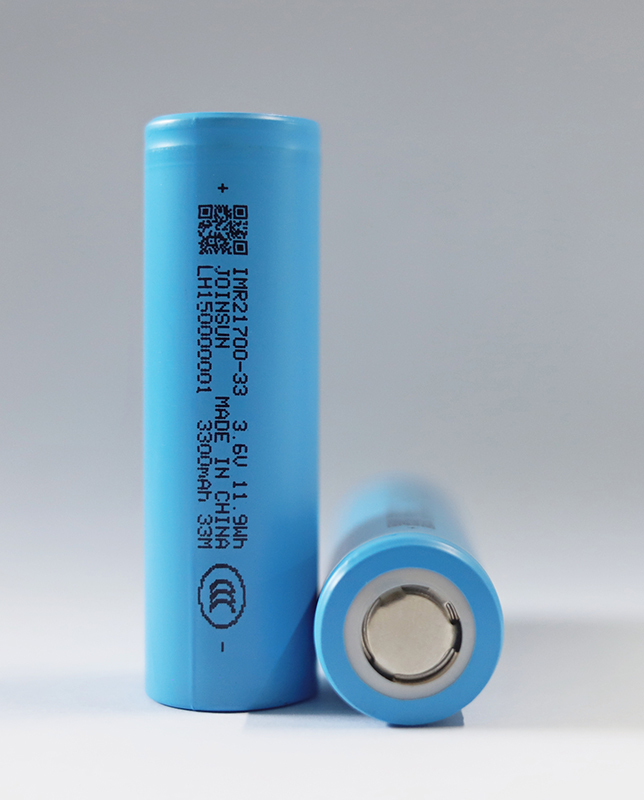
  1. Identify User Needs: Understand specific usage scenarios. For example, Sarah, a solar energy user, noticed her batteries often overheated during the summer months, reducing efficiency by up to 25%. Implementing a customized BMS allowed her to monitor temperature and prevent overheating.
  2. Select Appropriate BMS Features: Opt for features like real-time temperature monitoring, state-of-charge estimation, and fault detection systems. JOINSUN offers options to tailor these features based on your needs.
  3. Integration: Carefully integrate the BMS with existing battery systems. This may require specific connectors or software interfaces based on battery chemistry—lithium-ion or lead-acid, for example.
  4. Test the System: After installation, conduct tests to ensure all functions operate within safe limits. For instance, Tim, who operates a fleet of delivery drones, incorporated a customized BMS leading to a 40% reduction in battery failure incidents.
  5. Regular Maintenance: Schedule regular check-ups on the BMS to identify any faults before they become serious issues. Use data analytics tools to track battery performance and forecast potential failures.
How Customized Battery Management Systems Improve Battery Safety

Common Errors and Solutions

Here are some potential mistakes that users may encounter while setting up a customized BMS:

  • Incorrect Configuration: Users often fail to match BMS settings with battery specifications. Always cross-reference your battery’s data sheet with the BMS operational parameters.
  • Lack of Regular Updates: Many systems require firmware updates for optimal functionality. Ensure your BMS receives the latest updates to enhance safety features.
  • Ignoring Data Analytics: Failing to utilize data gathered by the BMS can lead to overlooked issues. Regular reviews can provide insights into performance declines or emerging hazards.

Summary and Suggestions

Customized battery management systems significantly enhance battery safety by providing tailored monitoring and management capabilities crucial for various applications. Users like Sarah and Tim have successfully avoided critical failures and consequently improved efficiency by implementing customized BMS solutions. For optimal performance, regularly assess your system according to specific needs, keeping abreast of technological advancements like those offered by JOINSUN.

FAQs

1. What are the key benefits of a customized battery management system?

Customized BMS offer enhanced safety through real-time monitoring, tailored fault detection, and automated performance optimization, thus preventing overheating and failures.

2. Can I retrofit a customized BMS onto my existing battery system?

Yes, many systems can be retrofitted, but ensure compatibility between the battery\'s chemistry and the BMS selected.

3. How often should I perform maintenance on my BMS?

Regular checks every six months are advisable to identify potential issues before they escalate, although more frequent monitoring may be necessary based on usage intensity.

Related Products